

Is Your Orthodontic Insurance Expiring Soon? What to Know Before 2026 Ends
Posted on November 12, 2026
As the year winds down, holiday shopping and deadlines take center stage. But if you or your child are considering braces or Invisalign, there’s another deadline worth checking: your orthodontic insurance benefits!
While orthodontic lifetime maximums typically don’t reset annually, certain dental benefits and FSA balances may follow a calendar-year schedule. That means unused funds could disappear on December 31, 2026.
At Jackson Orthodontics, we help families navigate orthodontic insurance coverage in Steele Creek, Charlotte, and Fort Mill, SC to avoid unnecessary expenses. Here’s what to know before year-end.
How Can You Use Your Orthodontic Insurance Benefits Before the Year Ends?
Before the holiday rush takes over, give your insurance plan a quick checkup.
Start with these questions:
- Does my plan cover braces, Invisalign, or both?
- How much orthodontic coverage remains?
- When does my benefit year reset?
- Are there age limits, waiting periods, or other restrictions?
Your insurer can clarify these details, and our team can help you understand your benefits before treatment begins.
Does Dental Insurance Actually Cover Braces or Invisalign?
Sometimes. Orthodontic coverage isn’t automatic with dental insurance. When included, plans often cover a percentage of treatment, commonly 50%, up to a lifetime maximum.
UnitedHealthcare and Humana highlight restrictions worth checking:
- Age limits: Some plans cover children but exclude adults.
- Waiting periods: Coverage may not begin immediately.
- Medical necessity: Certain plans distinguish functional problems from cosmetic treatment.
Invisalign may have additional restrictions. Forbes Health notes that some policies cover clear aligners differently from traditional braces.
The takeaway? Verify your benefits for both braces and Invisalign rather than assuming your dental coverage includes them.
What’s the Difference Between an Annual Maximum and an Orthodontic Lifetime Maximum?
Your annual maximum is the most your plan pays toward dental care in a calendar year, commonly $1,000 to $2,000, and it may reset on January 1, 2027.
An orthodontic lifetime maximum is different.
It’s the total your plan contributes toward eligible orthodontic treatment over the applicable coverage period. Delta Dental explains that once you use it, it doesn’t renew. A filling or a cleaning never touches it.
Here’s an example: Braces cost $5,000, your plan covers 50%, and your lifetime maximum is $1,500. Although 50% of the cost is $2,500, insurance pays only $1,500. You owe the remaining $3,500. That’s the limit worth knowing.
Does Starting Treatment Before December 31 Change How Much Your Insurance Pays?
Not necessarily. Your orthodontic lifetime maximum generally stays the same regardless of when treatment begins.
However, timing matters. Insurers often pay in installments throughout treatment, and carrier payments can stop if your eligibility ends mid-treatment. If you’re switching plans in January or your child is approaching an age cutoff, ask how ongoing treatment will be covered.
Starting before year-end may also help you use eligible FSA funds before your plan’s spending deadline.
How Do FSA and HSA Funds Work for Orthodontic Payment Plans?
Have money left in your Flexible Spending Account (FSA)? Don’t overlook it!
The IRS recognizes braces as eligible dental expenses, and the American Association of Orthodontists confirms that FSA and Health Savings Account (HSA) funds can cover qualifying orthodontic costs not paid by insurance.
Here’s the difference:
- FSA: For 2026, the contribution limit is $3,400. Unused funds may be forfeited, although some employers allow a carryover of up to $680 or a grace period.
- HSA: Unused balances generally roll over annually.
FSA reimbursement for ongoing orthodontic treatment follows special rules. Some administrators require payment schedules or treatment contracts, so confirm their requirements before using your funds.
Keep your receipts, no matter which account you use. At Jackson Orthodontics, we offer interest-free payment options and can provide documentation for your reimbursement claims.
How Does Two-Phase Treatment Affect the Way You Use Your Orthodontic Benefit?
Phase 1 may begin around age seven, using appliances like expanders to create room for permanent teeth.
Phase 2 follows as more adult teeth emerge. Dr. Jackson, our orthodontist in Steele Creek, Charlotte, and Fort Mill, SC, evaluates each child’s development to determine whether early treatment is appropriate.
Here’s the catch: Both phases may draw from the same lifetime maximum. Ask your insurer how coverage is divided between phases before treatment begins.
Can Jackson Orthodontics Help Me Verify and Maximize My Orthodontic Benefits in Fort Mill or Steele Creek?
Insurance paperwork shouldn’t be harder to understand than your child’s math homework!
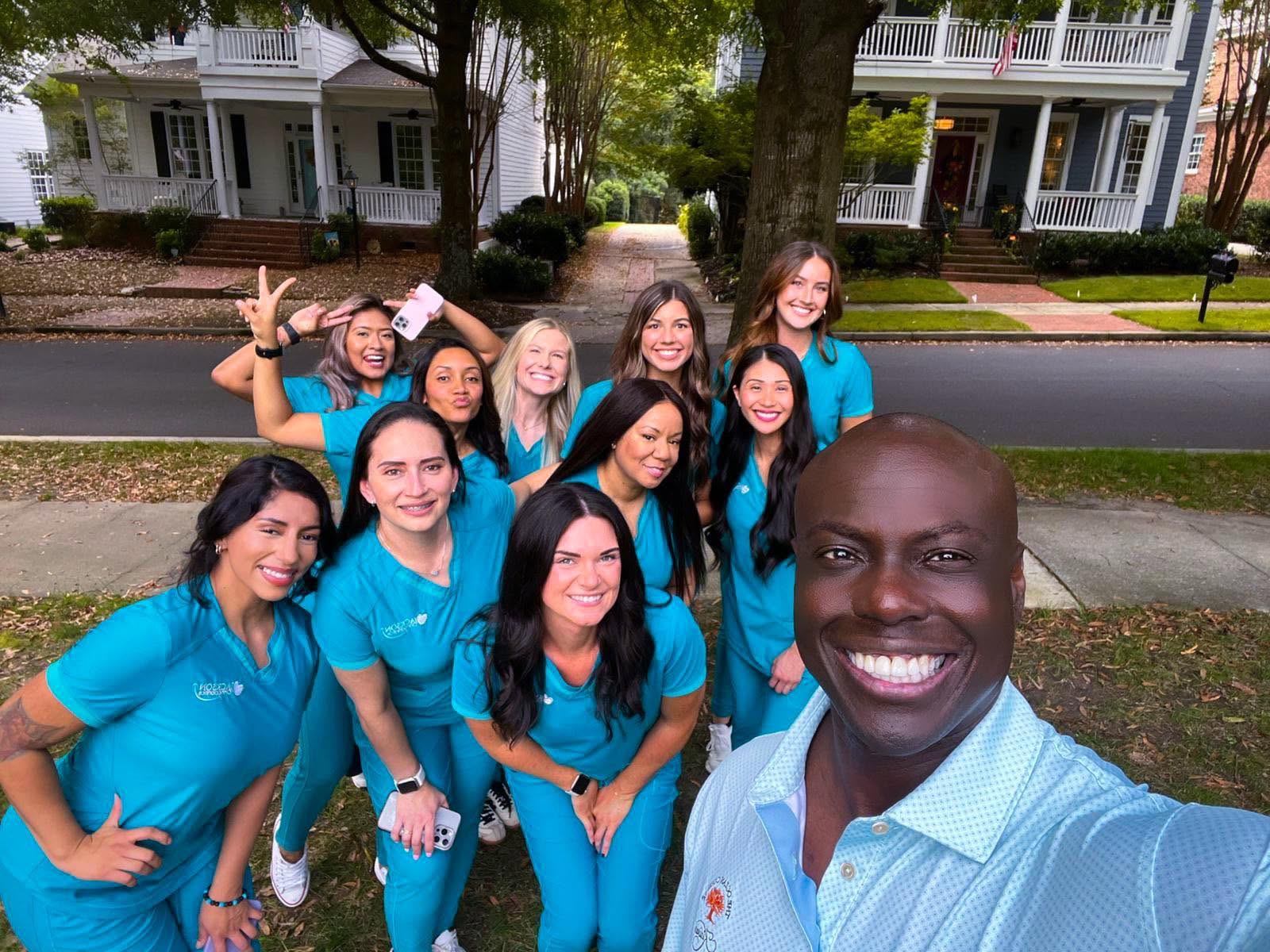
At Jackson Orthodontics, Dr. Alfred Jackson and our friendly team help families understand their coverage, explore affordable payment options, and choose personalized treatment plans.
We accept most insurance plans, assist with claims and paperwork, and offer free consultations at our Fort Mill, SC, and Steele Creek, NC, offices.
Don’t leave your benefits to guesswork. Schedule your free consultation today and see how your orthodontic insurance can help with your family’s next smile!
Key Takeaways
- Check your coverage: Not all dental insurance plans cover braces or Invisalign, and some have age limits or waiting periods.
- Know your maximums: Annual dental benefits may reset, but orthodontic lifetime maximums generally don’t.
- Watch year-end deadlines: Changes in insurance coverage or unused FSA funds could affect your treatment costs.
- Use FSA/HSA funds wisely: Both can cover eligible orthodontic expenses, but reimbursement rules differ.
- Plan for two-phase treatment: Early treatment and later braces may share the same orthodontic lifetime maximum.
- Get help before starting: Dr. Jackson at Jackson Orthodontics in Fort Mill and Steele Creek offers free consultations, insurance assistance, and interest-free payment options.
Sources
- https://www.uhc.com/news-articles/benefits-and-coverage/orthodontic-coverage
- https://www.humana.com/dental-insurance/dental-resources/orthodontic-insurance
- https://www.forbes.com/health/dental/does-dental-insurance-cover-braces/
- https://drjacksonsmiles.com/invisalign-vs-braces-which-is-right-for-your-smile-dr-jackson-weighs-in/
- https://deltadentalks.com/knowledge/what-is-an-annual-maximum
- https://www.deltadentalnj.com/blog/entry/2020/guide-to-your-orthodontic-lifetime-maximum
- https://help.meetdandy.com/hc/en-us/articles/14354700495501-Creating-Clear-Aligner-Insurance-Claims
- https://www.irs.gov/publications/p502
- https://aaoinfo.org/whats-trending/can-i-use-my-hsa-or-fsa-for-orthodontic-treatment/
- https://drjacksonsmiles.com/how-starting-phase-1-early-makes-your-childs-orthodontic-treatment-faster-and-easier/
- https://drjacksonsmiles.com/palatal-expansion-when-and-why-its-essential-for-your-smile/
- https://drjacksonsmiles.com/about-us/
- https://drjacksonsmiles.com/services/#section1
Best Smile Awaits
Ready To Get Started On
The Smile You Deserve?
So Are We! Simply Fill Out The Form Below!
"*" indicates required fields